What readers usually run into
- 薄いコピー
- 薄いレシート
- 鉛筆書き
- 古いタイプ文字
Why faded text needs careful handling
Faded scans often contain weak strokes, pencil notes, thermal receipt text, or typewriter ink that is close to the paper color. A heavy contrast boost can help the main text but damage stamps, photos, checkboxes, or small annotations if the prompt is too broad.
Prompt for contrast, not rewriting
Ask for darker visible text and cleaner background while keeping wording, spacing, and layout unchanged. The product should not invent missing characters or rebuild a text layer. Treat the result as a visual restoration that must be checked against the source.
Documents where it helps
This is useful for old letters, pale photocopies, pencil-filled forms, receipts, worksheets, and scanned pages where the content is visible but tiring to read. It is not suitable for exact transcription, legal verification, or converting a scan into Word.
Review small details
After generation, zoom into names, numbers, totals, signatures, and handwriting. If some text becomes too bold or background speckles turn into dots, ask for a lighter cleanup and preserve original marks.
Before and after expectations
A successful darkening pass should make weak strokes easier to follow while leaving the document structure familiar. It should not change line breaks, invent characters, or make every mark equally dark. For receipts and forms, the after image should make totals and labels easier to inspect. For old typewritten pages, it should strengthen letters without turning paper texture into heavy speckles.
How to write a safer darkening prompt
The safest prompt names the text problem and the preservation rules together. Say that the text is faded, then ask to darken it while preserving handwriting, stamps, tables, page spacing, and margins. If the scan includes pencil notes or light signatures, mention them explicitly. This reduces the chance that the cleanup treats pale but meaningful marks as background noise.
When darkening is not enough
Some scans are not faded; they are blurred, compressed, or photographed out of focus. Darkening those pages can make them harsher without making characters more accurate. If the after image looks bolder but still unreadable, stop and check whether the original scan contains enough detail. A rescan with better focus may be the only honest fix.
How to handle mixed faded content
Many pages contain both dark and faded elements. A receipt may have a bold store logo but weak line items; an old letter may have readable headings but pale body text; a form may have printed labels and pencil handwriting. Tell the prompt which part needs darkening and which parts must be preserved. After generation, compare the weakest content first, because that is where visual cleanup is most likely to create false confidence.
Darkening without changing meaning
Darkening should make existing strokes easier to see, not decide what a faint character should be. If a letter or digit is ambiguous in the original, the cleaned version should be treated as an aid, not an authority. For financial, academic, or legal documents, keep the original scan beside the enhanced copy. The goal is better readability for human review, not automatic correction of uncertain text.
Related example to compare
If you are unsure how far to push the effect, compare your page with a faded-scan before and after example. The after page should feel easier to read, but still preserve the character of the source document. That comparison helps keep the prompt from drifting into unrealistic restoration or content rewriting.
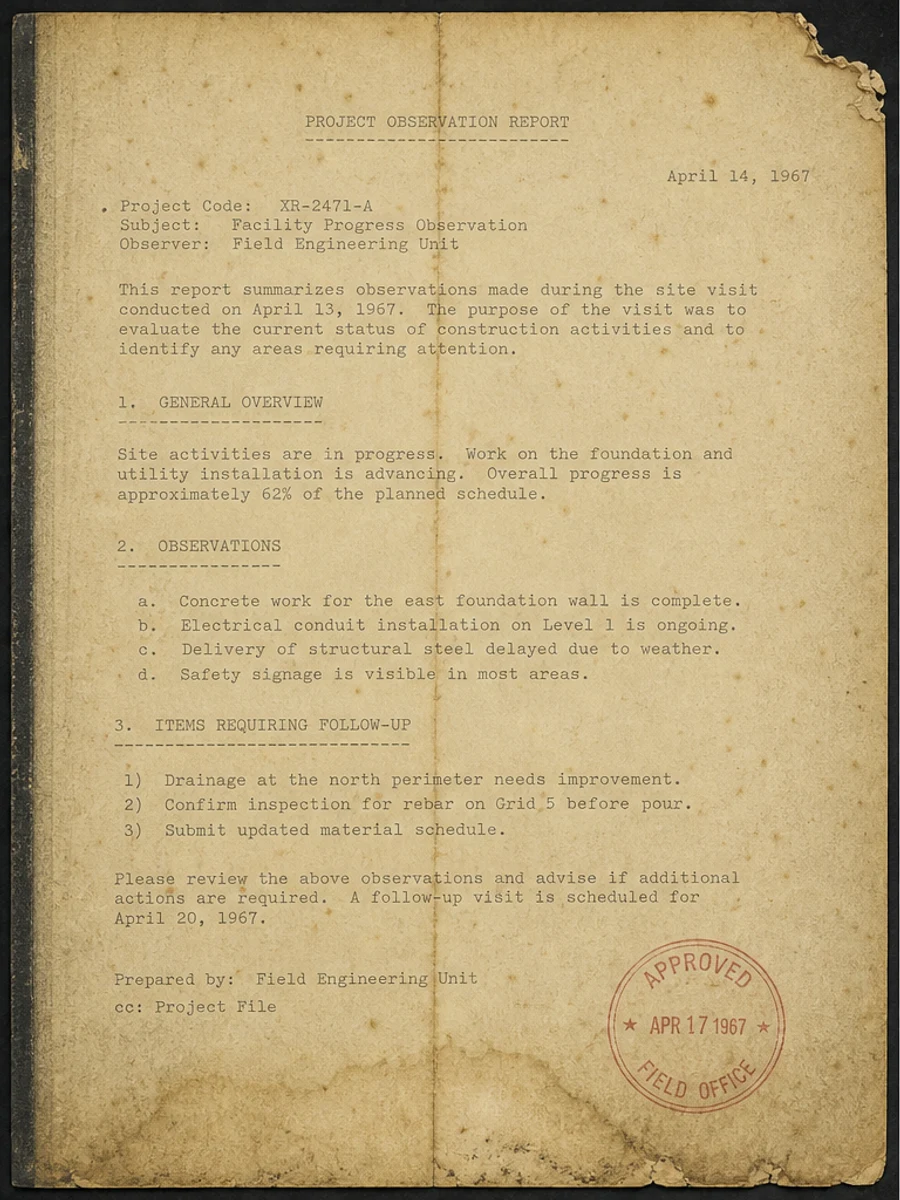
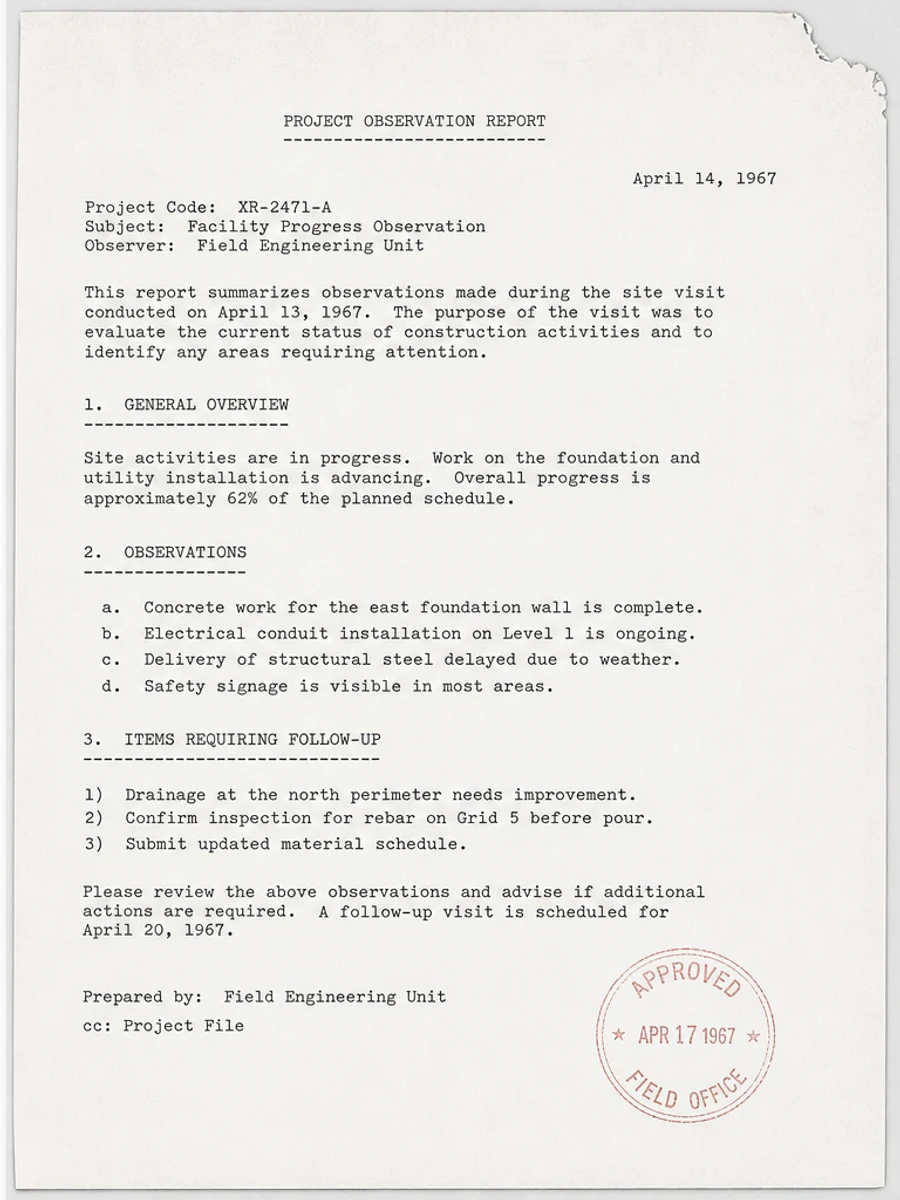
Inline before and after example: 薄いスキャンPDFページを読みやすくする
Step-by-step tutorial
- スキャンPDFを開きます。
- まず「スキャンPDFの薄い文字」が最も目立つページを選びます。
- 控えめな読みやすさ改善プロンプトを使います。
- 処理前後を比較します。
- 重要な文字、数字、日付、表を確認します。
- 結果に問題がなければ書き出します。
Prompts you can paste
01このスキャンPDFページを補正し、スキャンPDFの薄い文字を改善してください。灰色背景、影、汚れ、ノイズを減らし、元のレイアウトを維持してください。
02読みやすさを少しだけ改善し、薄い文字を濃くし、背景を整え、手書き、印章、表、マークを残してください。
03控えめに処理し、OCR文字レイヤーは作らず、ページ構造を変えず、書き出し前に確認しやすくしてください。
When RedesignPDF is a good fit
- 文字が見えているスキャンPDFページ
- フラット化された画像ベース文書
- 視覚的な読みやすさを改善したいファイル
When it is not the right tool
- PDFの文字レイヤーを正確に編集する作業
- 公的・法的な認証レベルの復元
- 確認なしの自動データ抽出
よくある失敗
- 白くしすぎて細い線や薄い印が消える。
- 視覚補正をOCRや文字変換と混同する。
- 数字、日付、表、手書きを確認せずに書き出す。
Related reading
FAQ
RedesignPDFでスキャンPDFの薄い文字を改善できますか?
スキャンページの見た目を改善できます。書き出す前に重要な文字、日付、金額、表を確認してください。
書き出したPDFの文字は選択できますか?
書き出しは画像ベースになる場合があります。検索可能または選択可能な文字が必要なら、別途OCRを使ってください。
公的な文書に使えますか?
注意が必要です。RedesignPDFは読みやすさの補正用で、認証済みの文書復元ではありません。
Conclusion
If your goal is a clearer scanned PDF while keeping the original layout, start with a conservative prompt, process one page, and review text, tables, numbers, handwriting, and stamps before exporting. If you need editable text, PDF-to-Word conversion, form filling, or precise text-layer editing, use OCR, a PDF editor, or a better rescan instead.
Upload scanned PDF