What readers usually run into
- 文字を選択できない
- OCR結果が乱れる
- スキャンPDFを編集できない
- 変換後にレイアウトが崩れる
What a scanned PDF contains
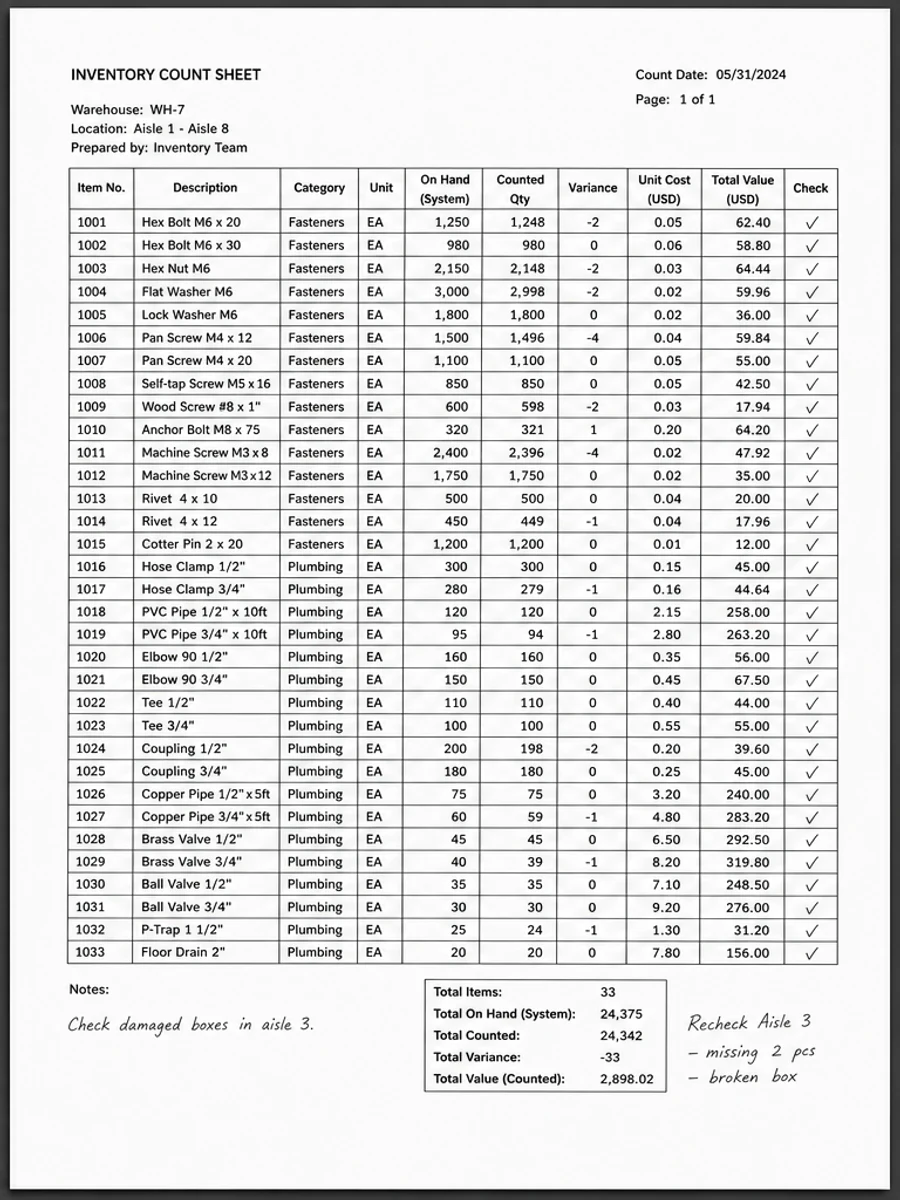
A basic scanned PDF behaves like a picture. You can zoom, print, or crop it, but you usually cannot select words because the PDF does not know where letters are. The page may include shadows, gray backgrounds, skew, and compression from the capture process.
What OCR adds
OCR analyzes the image and tries to place searchable text over it. That can make text selectable, but it may introduce recognition errors, broken reading order, bad columns, and mistakes in tables. Poor scan quality often leads to poor OCR output.
Where RedesignPDF fits
Use RedesignPDF when the scan image itself needs to look cleaner before reading, sharing, printing, or running OCR elsewhere. It is a visual cleanup step, not a text extraction step, so you should keep OCR expectations separate.
Choosing the right workflow
If you need a human-readable image-based PDF, clean and export. If you need searchable text, clean the page first when needed, then use a dedicated OCR tool and review the recognized text against the scan.
How to tell which PDF you have
Open the PDF and try selecting a word. If the selection grabs letters and you can copy them into a text editor, the file probably has a text layer. If the entire page behaves like one image, it is probably a scanned PDF. Some files are mixed: they show a scan image but also have an OCR layer hidden above it. In those cases, the page may still look dirty even though search works.
Why cleanup and OCR are often confused
People often search for OCR when the real pain is readability. They cannot read the scan comfortably, so they assume searchable text is the solution. Sometimes it is, but many workflows only need a cleaner visual copy for review, printing, or sharing. RedesignPDF addresses that visual problem. It makes the page image clearer; it does not promise that every word becomes editable or searchable.
A safe combined workflow
When both readability and searchable text matter, keep the steps separate. First, clean the scan conservatively and export a readable image-based PDF. Second, run OCR in a dedicated OCR tool. Third, check OCR output against the original and cleaned page, especially for numbers, names, columns, and punctuation. This keeps visual enhancement from being mistaken for text verification.
Decision rule for choosing cleanup or OCR first
If the page is hard for a person to read, clean the scan image first. If the page is already visually clear but you need search, copy, or screen-reader access, go directly to OCR. If you need to change words, fill form fields, or edit a PDF text layer, neither visual cleanup nor basic OCR is enough by itself. Choosing the job correctly prevents unrealistic prompts and avoids exporting a file that solves the wrong problem.
What to tell stakeholders
When sharing the output, describe it accurately. Say that the PDF page image was cleaned for readability, not that it was converted into an editable document. If OCR was performed later, mention that OCR results were reviewed separately. This distinction matters in teams because one person may expect a readable PDF, another may expect searchable text, and another may expect editable layout. The file type alone does not answer those expectations.
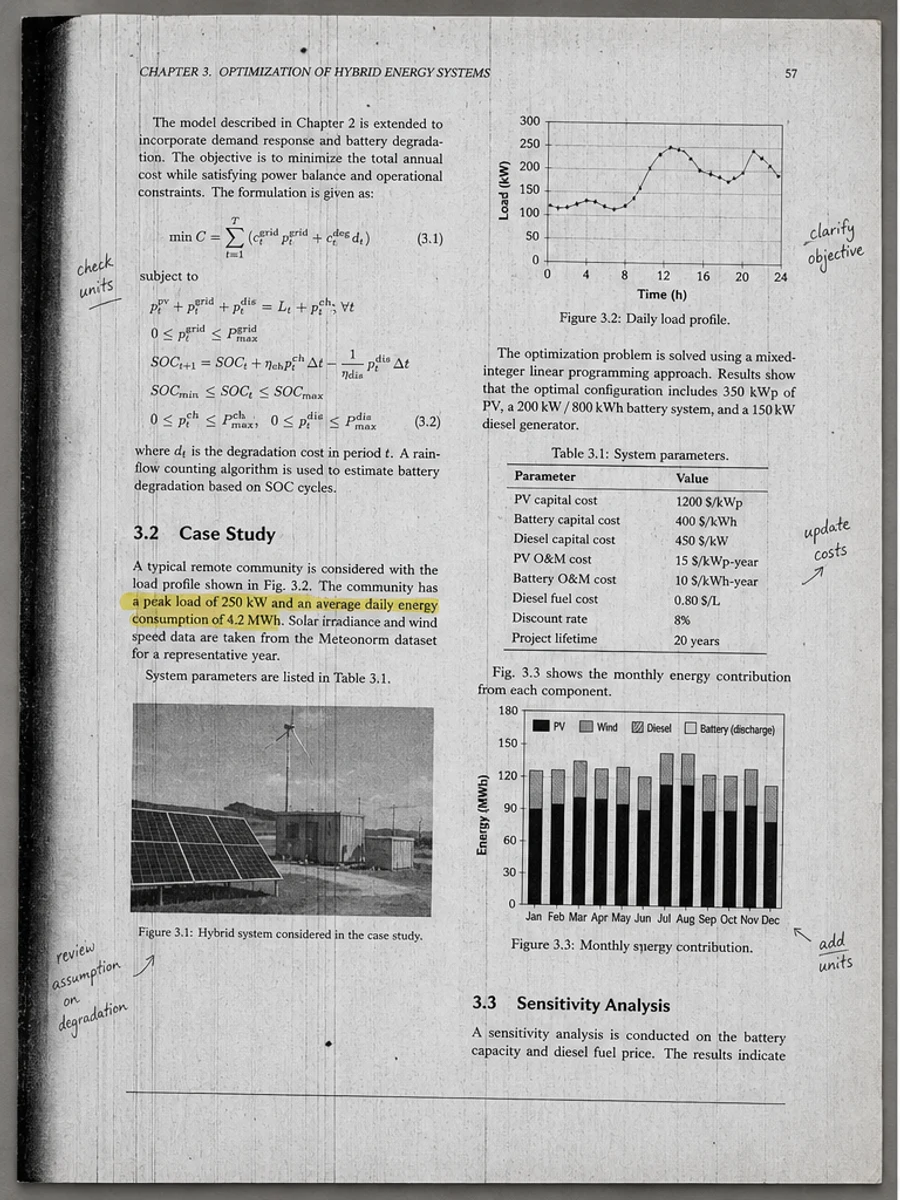
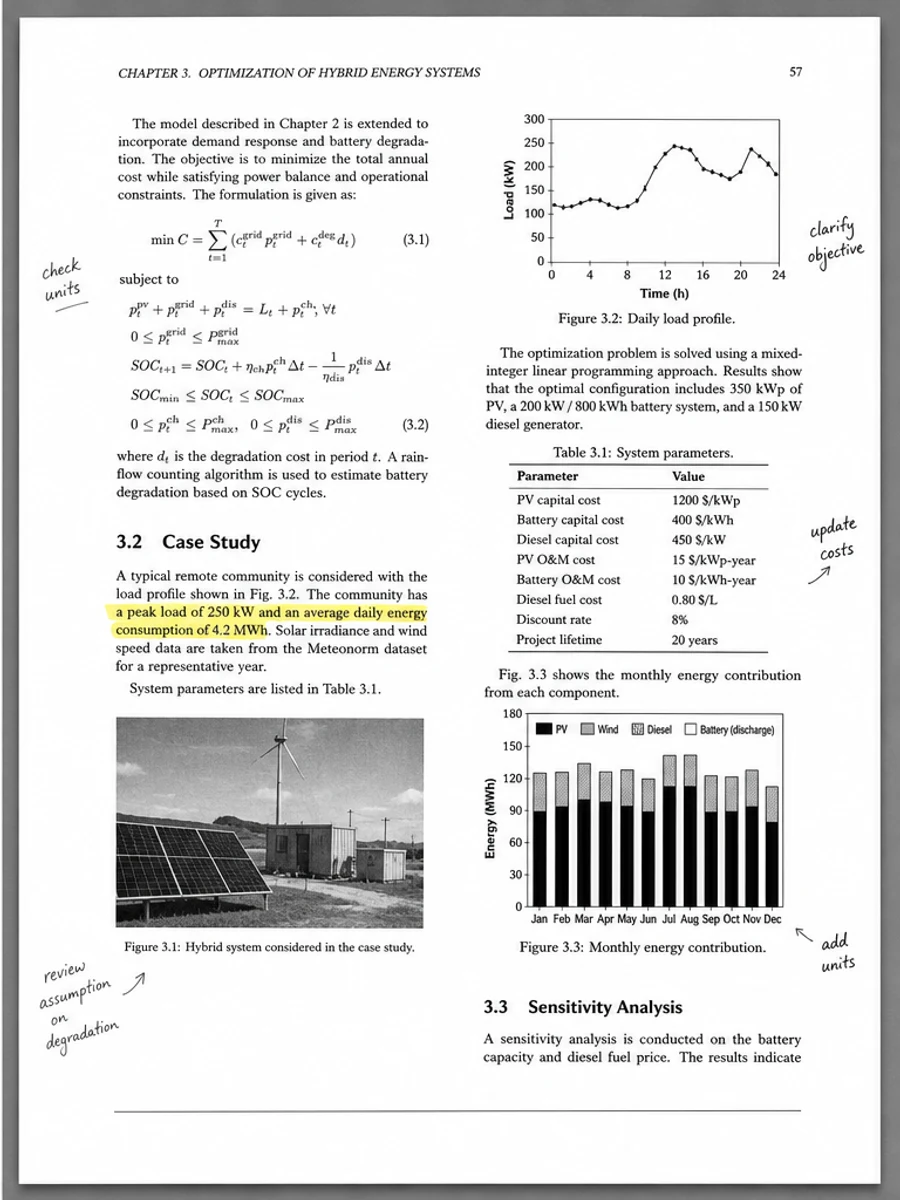
Inline before and after example: 学術論文のスキャンを読みやすくする
Step-by-step tutorial
- スキャンPDFを開きます。
- まず「スキャンPDFとOCR PDFの違い」が最も目立つページを選びます。
- 控えめな読みやすさ改善プロンプトを使います。
- 処理前後を比較します。
- 重要な文字、数字、日付、表を確認します。
- 結果に問題がなければ書き出します。
Prompts you can paste
01このスキャンPDFページを補正し、スキャンPDFとOCR PDFの違いを改善してください。灰色背景、影、汚れ、ノイズを減らし、元のレイアウトを維持してください。
02読みやすさを少しだけ改善し、薄い文字を濃くし、背景を整え、手書き、印章、表、マークを残してください。
03控えめに処理し、OCR文字レイヤーは作らず、ページ構造を変えず、書き出し前に確認しやすくしてください。
When RedesignPDF is a good fit
- 文字が見えているスキャンPDFページ
- フラット化された画像ベース文書
- 視覚的な読みやすさを改善したいファイル
When it is not the right tool
- PDFの文字レイヤーを正確に編集する作業
- 公的・法的な認証レベルの復元
- 確認なしの自動データ抽出
よくある失敗
- 白くしすぎて細い線や薄い印が消える。
- 視覚補正をOCRや文字変換と混同する。
- 数字、日付、表、手書きを確認せずに書き出す。
Related reading
FAQ
RedesignPDFでスキャンPDFとOCR PDFの違いを改善できますか?
スキャンページの見た目を改善できます。書き出す前に重要な文字、日付、金額、表を確認してください。
書き出したPDFの文字は選択できますか?
書き出しは画像ベースになる場合があります。検索可能または選択可能な文字が必要なら、別途OCRを使ってください。
公的な文書に使えますか?
注意が必要です。RedesignPDFは読みやすさの補正用で、認証済みの文書復元ではありません。
Conclusion
If your goal is a clearer scanned PDF while keeping the original layout, start with a conservative prompt, process one page, and review text, tables, numbers, handwriting, and stamps before exporting. If you need editable text, PDF-to-Word conversion, form filling, or precise text-layer editing, use OCR, a PDF editor, or a better rescan instead.
Upload scanned PDF