What readers usually run into
- 검은 테두리
- 급지 줄무늬
- 펀치 구멍
- 회색 복사 배경
Why photocopies degrade
Old photocopies often carry artifacts from the copier itself: dark margins, dust, streaks, punched-hole shadows, crooked placement, and repeated contrast loss. A scan of that photocopy captures all of those problems as part of the page image.
Clean artifacts without erasing context
Ask for copier artifact cleanup rather than a perfect white page. Notes, stamps, diagrams, underlines, and marginal marks may be part of the document. The goal is to lower distraction while keeping content traceable.
Best use cases
This workflow fits worksheets, office copies, archive packets, manuals, handouts, and forms that are readable but visually noisy. It is not appropriate for claiming a document has been officially restored or authenticated.
Batch cautiously
Photocopied packets often vary from page to page. Test one representative page, review the result, then reuse the same style only on pages with similar artifacts.
What a good cleanup preserves
A good after image should still look like the same document. It may have less border noise, fewer streaks, and clearer text, but the notes, diagrams, page order cues, and original spacing should remain. If a worksheet has boxes or a manual has thin illustration lines, those details are part of the content. The cleanup should reduce distractions around them, not erase them.
How to handle mixed-quality packets
Old photocopied packets often include pages from different sources. One page may have black borders, another may have pale text, and another may be skewed. Do not assume one prompt fits every page. Group similar pages, test one page from each group, and keep prompts specific: border cleanup for one group, faded text darkening for another, and streak reduction for feeder-scanned pages.
When to stop cleaning
Stop when the document becomes easier to read and key details remain stable. More cleanup is not always better. If the page starts to lose margin notes, gray pencil marks, or faint diagram labels, the next prompt should reduce intensity. For old copies, a little visible age can be acceptable if the content is clearer and trustworthy.
Common review points for photocopies
Photocopied pages often fail around the edges first. Check headers, page numbers, punched holes, footers, and any content close to the margin. Then inspect the center of the page for feeder streaks or copy noise that crosses text. If the cleanup reduces those distractions without changing the content, the page is ready to export. If it removes marks that identify the source, keep the original and use a lighter cleanup.
Example prompt for old photocopies
Try a prompt such as: "Reduce photocopy haze, dark borders, feeder streaks, fold shadows, and background noise. Preserve typed text, handwritten notes, diagrams, page numbers, punched-hole marks, and the original layout." This prompt avoids pretending the document is new. It asks for a cleaner reading copy while still respecting the artifacts that may help identify where the photocopy came from.
Related example to compare
Use a photocopied worksheet or dirty scan example as a reference, not as a promise that every old copy will behave the same way. If your document has marginal notes, stamps, or punched holes, make those preservation requirements explicit. The best result is a cleaner reading page, not a document stripped of all source clues. Review one enlarged corner and one dense paragraph before accepting the export. Keep the original nearby too.
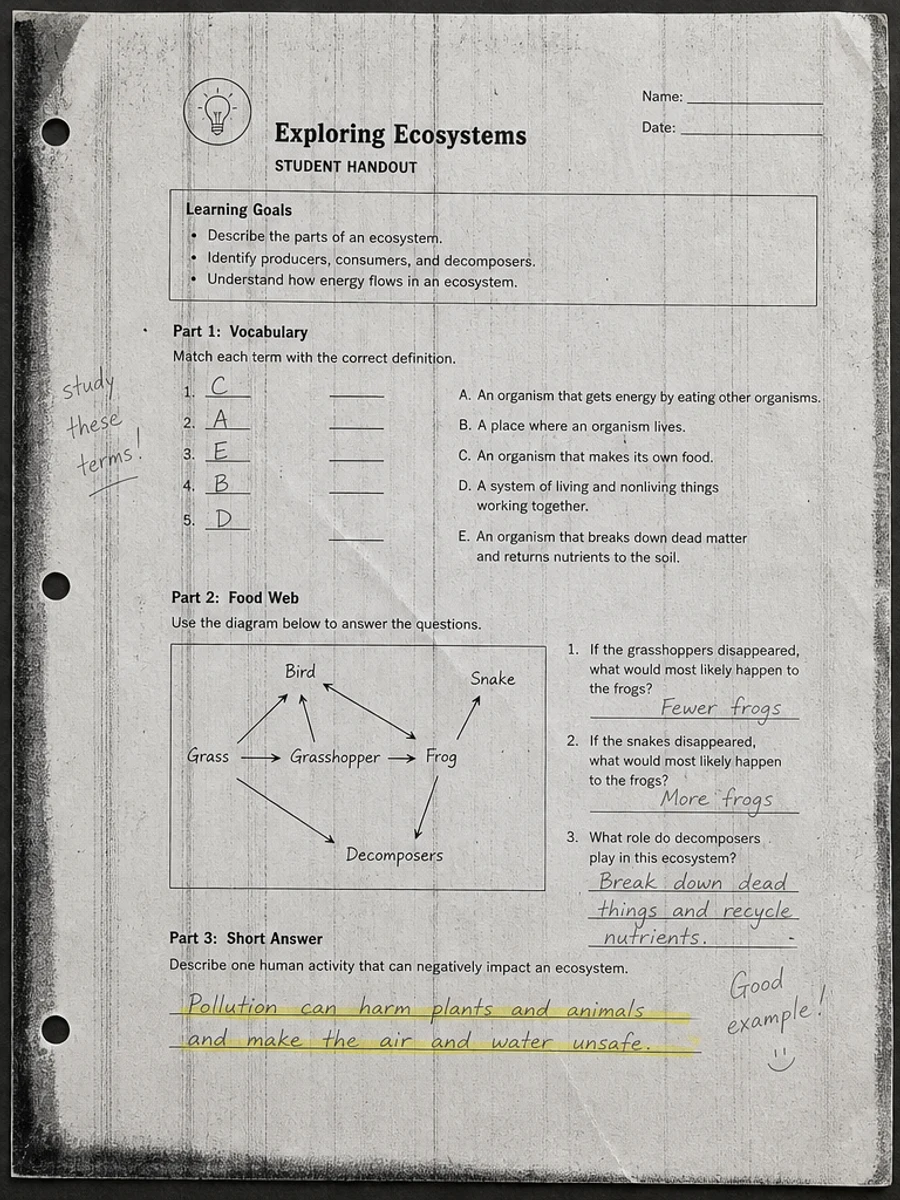
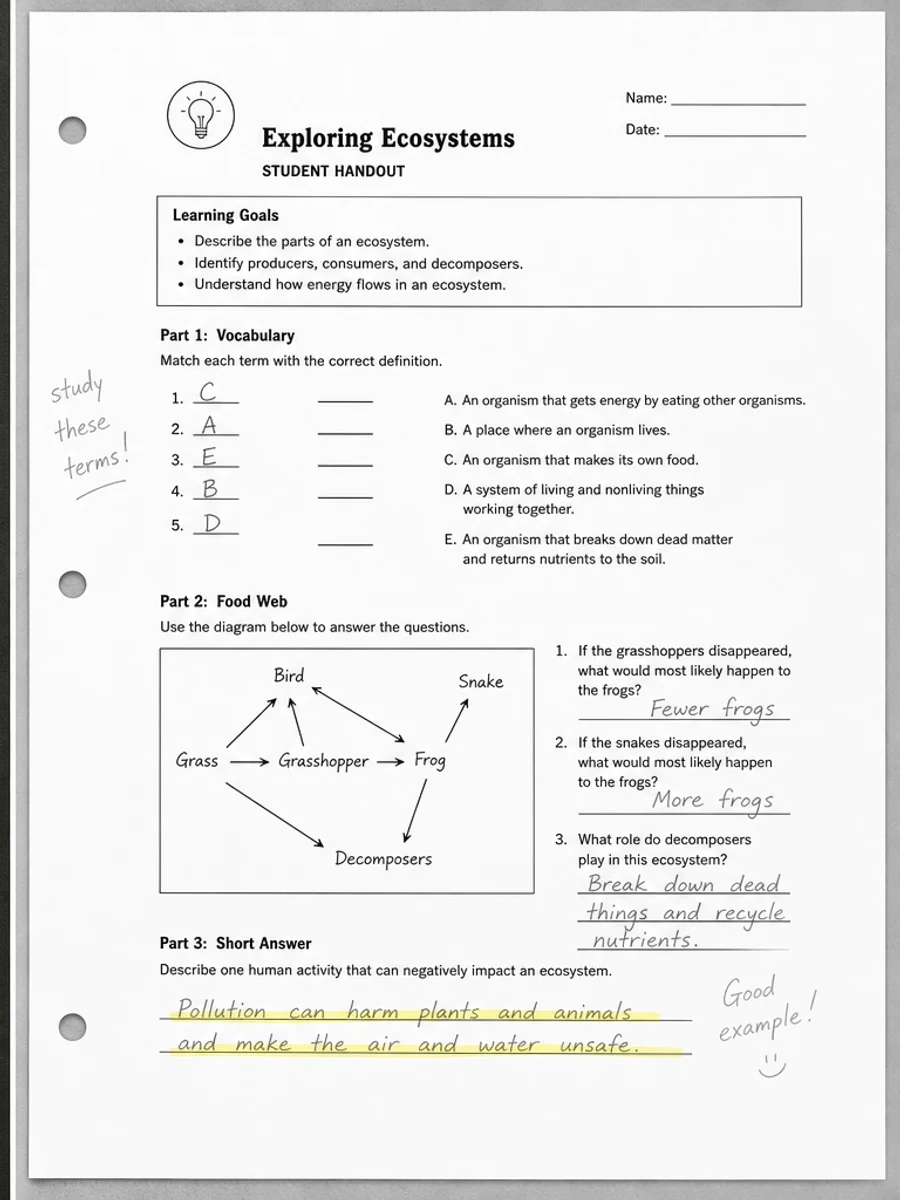
Inline before and after example: 복사된 학습지 스캔 정리
Step-by-step tutorial
- 스캔 PDF를 엽니다.
- 먼저 “오래된 복사 문서 정리” 문제가 가장 잘 보이는 페이지를 선택합니다.
- 보수적인 가독성 개선 프롬프트를 사용합니다.
- 전후 결과를 비교합니다.
- 중요한 텍스트, 숫자, 날짜, 표를 확인합니다.
- 결과가 적절할 때 내보냅니다.
Prompts you can paste
01이 스캔 PDF 페이지를 정리하고 오래된 복사 문서 정리 문제를 개선하세요. 회색 배경, 그림자, 얼룩, 노이즈를 줄이고 원래 레이아웃을 유지하세요.
02가독성을 부드럽게 개선하세요. 흐린 텍스트를 진하게 하고 배경을 정리하며 필기, 도장, 표, 표시를 보존하세요.
03보수적으로 처리하고 OCR 텍스트 레이어를 만들지 않으며 페이지 구조를 바꾸지 마세요.
When RedesignPDF is a good fit
- 텍스트가 보이는 스캔 PDF 페이지
- 평면화되었거나 이미지 기반인 문서
- 시각적 가독성 향상이 목표인 파일
When it is not the right tool
- PDF 텍스트 레이어의 정밀 편집
- 인증된 법적 복원
- 검토 없는 자동 데이터 추출
흔한 실수
- 페이지를 지나치게 하얗게 만들어 얇은 선을 잃는 것.
- 시각 정리를 OCR이나 텍스트 변환으로 오해하는 것.
- 숫자, 날짜, 표, 필기를 확인하지 않고 내보내는 것.
Related reading
FAQ
RedesignPDF로 오래된 복사 문서 정리 문제를 개선할 수 있나요?
스캔된 페이지 이미지의 시각적 품질을 개선할 수 있습니다. 내보내기 전에 중요한 텍스트, 날짜, 금액, 표를 확인하세요.
내보낸 PDF의 텍스트를 선택할 수 있나요?
내보내기는 이미지 기반일 수 있습니다. 검색 가능하거나 선택 가능한 텍스트가 필요하면 OCR을 별도로 사용하세요.
공식 문서에 적합한가요?
주의해서 사용해야 합니다. RedesignPDF는 가독성 개선용이며 인증된 문서 복원 도구가 아닙니다.
Conclusion
If your goal is a clearer scanned PDF while keeping the original layout, start with a conservative prompt, process one page, and review text, tables, numbers, handwriting, and stamps before exporting. If you need editable text, PDF-to-Word conversion, form filling, or precise text-layer editing, use OCR, a PDF editor, or a better rescan instead.
Upload scanned PDF